 Written by Vacadmin
Key Factors for Dust Collection System Design
Effective dust collection system design hinges on airflow dynamics, filter efficiency, and proper placement of collection points.

 Written by Vacadmin
Effective dust collection system design hinges on airflow dynamics, filter efficiency, and proper placement of collection points.
 Written by Vacadmin
Silica dust is tiny particles of crystalline silica, commonly found in materials like sand, stone, and concrete, posing health risks when inhaled, especially in industrial settings.
 Written by Vacadmin
Handle asbestos with care: Do wear protective gear, Don’t disturb or remove it without professional assistance.
 Written by Vacadmin
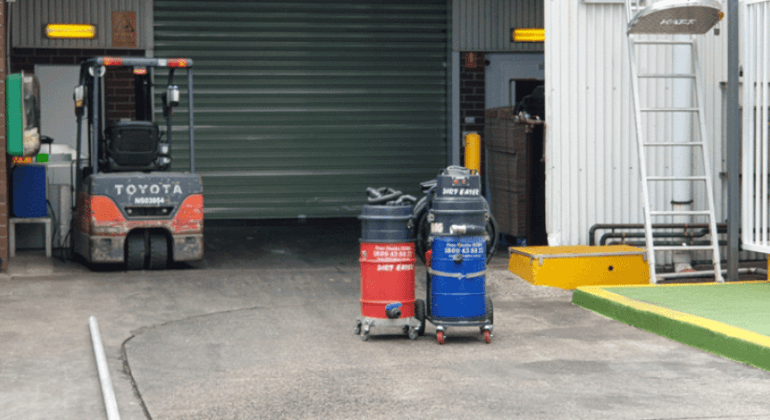
Invest in cyclone dust collectors for efficient and thorough debris removal in your business.
 Written by Vacadmin
A HEPA (High Efficiency Particulate Air) filter is a type of air filter that can capture a high percentage of particles, including pollen, dust mites, pet dander, and smoke, down to a size of 0.3 microns.
 Written by Vacadmin
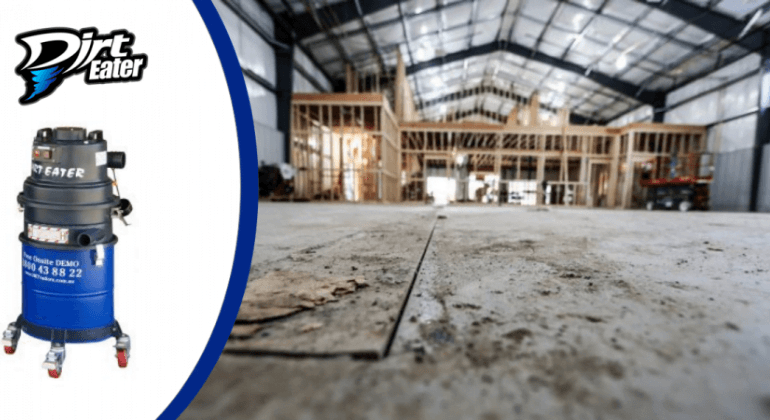
Use a heavy-duty industrial floor cleaner and a power scrubber to effectively clean an industrial concrete basement floor.
 Written by Vacadmin
Stay vigilant, assess surroundings, communicate clearly, follow procedures, utilize safety equipment, prioritize training, and report concerns promptly.
 Written by Vacadmin
Stay safe: Identify workplace hazards and take proactive measures to prevent injuries on the job.
 Written by Vacadmin
Safely clearing hazardous dust from fire-ravaged properties, restoring safety and hope.
 Written by Vacadmin
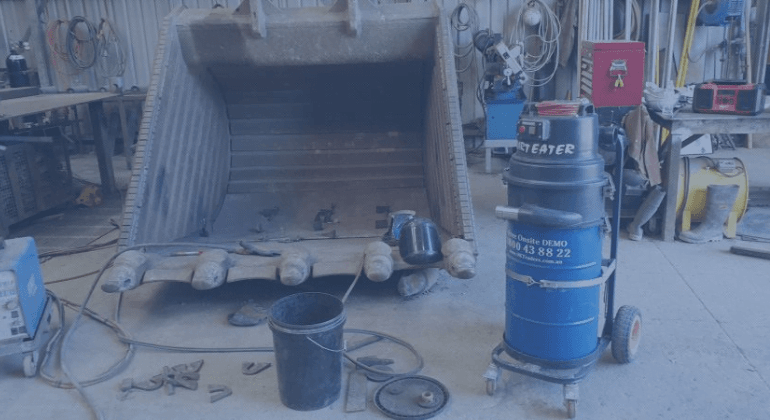
Implementing robust dust suppression systems ensures efficient removal of silica dust from earth-moving equipment and quarry workshops.